


Sustainability Management
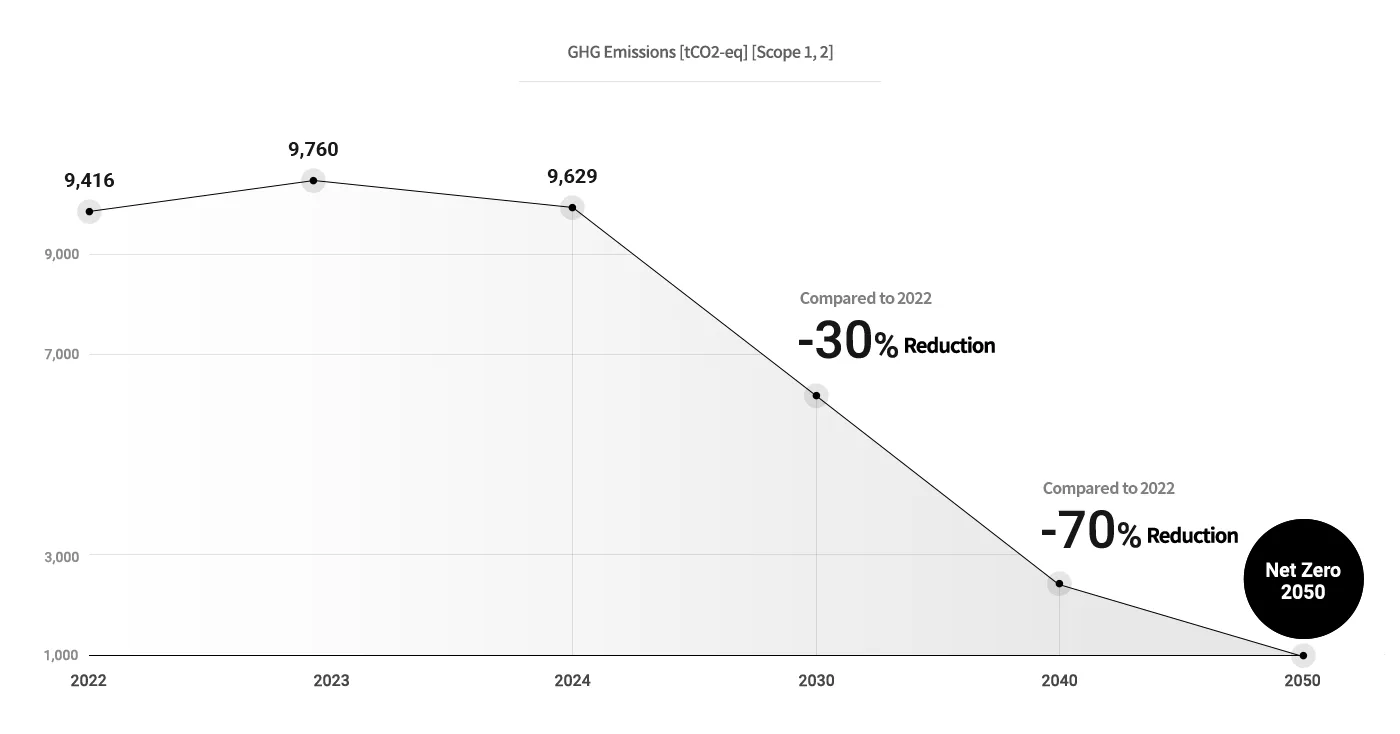
Net Zero 2050
Aekyung Industrial strives to fulfill its corporate responsibilities to address the risks of climate change.
-
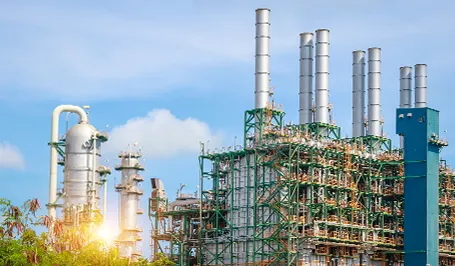 Road Map 01 Improving the energy efficiency of facilities
Our goal is to reduce greenhouse gas
emissions by investing in new facilities
and improving energy efficiency. -
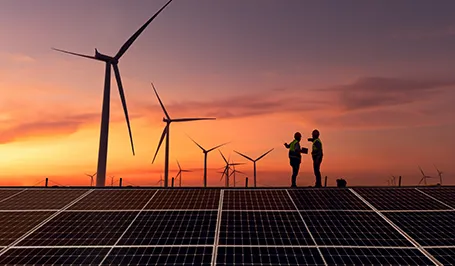 Road Map 02 Introducing renewable energy
We are replacing conventional energy
with renewable energy to contribute to
carbon reduction. -
 Road Map 03 Developing and bringing more
eco-friendly technologies and products
to consumersWe are building a virtuous cycle of
environmental actions and value creation
through technological innovation and
product development.
Smart Green Management
Engagement in sustainable design,
development, and sale processes for
products and workplaces, enhancing
consumers to become
eco-friendly
consumers through our products
- Pursuit eco-friendly work process by
considering the product life cycle - Enhancing the process of addressing
global environmental risks - Achieving progress in environmental
management practice
-
 Making eco-friendly activities easier and
more enjoyable -
 Fulfilling customers’ needs for
eco-friendly consumption -
 Corporate-wide eco-friendly activities
-
 Providing eco-friendly products and services
Data book
(As of 2025 / Year-over-Year Change Rate)
-
Greenhouse Gas and Energy Management
-
GHG Emissions
10,201 (+5.9%)
(tCO2-eq) -
Energy Usage
193 (+5.5%)
(TJ)
-
-
Waste Management
-
Waste Generation
1,858 (+1.1%)
(ton) -
Recycling Rate
91.1 (+2.5%p)
(%)
-
-
Water Resource Management
-
Water Usage
246,643 (-0.8%)
(ton) -
Wastewater Emissions
98,496 (+4.4%)
(ton)
-
-
Pollutant Management
-
Water Pollution Emissions
(kg)- TOC – 10,888 (-47.3%)
- BOD – 10,031 (-31.1%)
- SS – 1,932 (-40.3%)
-
Air Pollution Emissions
(kg)- Dust – 297 (-13.4%)
- Nox – 0
-
-
Chemical Management
-
Chemical Emissions
2,039 (+108.1%)
(kg) -
Hazardous Chemical Usage
552 (+0.4%)
(ton)
-
-
Plastic Usage Management
-
Plastic Usage
8,852 (-13.9%)
(ton)
-